Photo by
Aleh/TPS-IL on 15 December, 2025
Iranian Missile Fragments Become Symbol of Hope at Reopened Israeli Care Facility
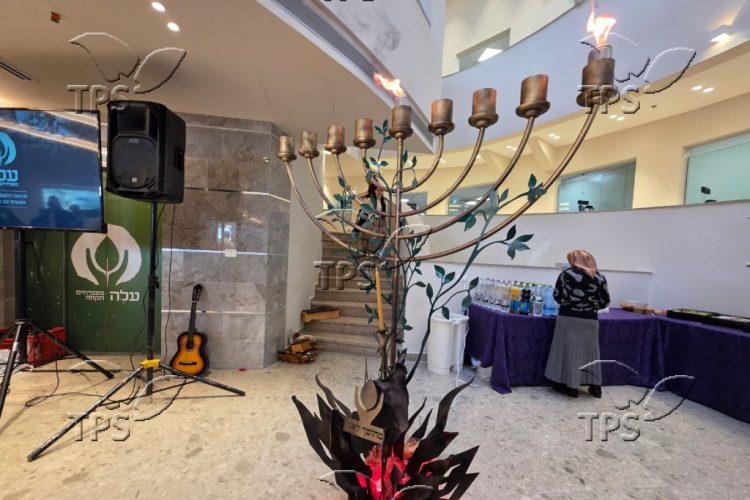
Jerusalem, 15 December, 2025 (TPS-IL) -- The Aleh campus in Bnei Brak, a leading Israeli nonprofit center for children and young adults with severe disabilities, reopened Monday, six months after an Iranian missile struck the facility. At the heart of the reopening ceremony, a menorah made from fragments of the missile was lit for the first night of Chanukah.
“We took the darkness and created a miracle from it,” the menorah’s creator, Jerusalem artist Guy Cohen, said.
Aleh provides specialized care for around 260 children and young adults with complex physical and cognitive disabilities. Many require ventilators and round-the-clock medical support. The Bnei Brak campus, which opened in 2019, offers advanced therapies, education, and medical care tailored to their unique needs.
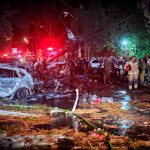
The missile struck in the early hours of June 15, killing a 75-year-old man in a neighboring building. Therapy rooms collapsed, and essential medical equipment was destroyed. As workers cleared the rubble, fragments of the missile were discovered and set aside. They were handed to Cohen, who painstakingly welded and shaped the metal into a menorah.
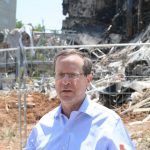
Days after the attack, during a visit to the ruins by Israel’s President, Aleh CEO Rabbi Yehuda Marmorstein promised the campus would be rebuilt quickly.
“This Menorah stands here as a living testament to the moment we chose not to sink into pain, but to rebuild—faster, stronger, and better,” Marmorstein said. “This is a menorah of faith, of love, and of an entire nation standing behind us. Chanukah teaches that a little bit of light dispels a lot of darkness. In the place where the enemy sought to sow destruction—we have established a fortress of kindness.”
Israel launched preemptive strikes against Iranian nuclear sites on June 13, citing intelligence that Tehran had reached “a point of no return” in its pursuit of nuclear weapons. According to Israeli defense officials, Iran has developed the capacity to rapidly enrich uranium and assemble nuclear bombs, with sufficient fissile material for up to 15 weapons.
During 12 days of fighting, Iran launched roughly 550 ballistic missiles and 1,000 drones at Israel, most of which were intercepted. However, at least 31 missiles struck populated areas, and one drone hit a home. The attacks killed 28 Israelis and injured more than 3,000.