
Photo by
Yossi Zeliger/TPS-IL on 9 September, 2023
Israeli Study Points to New Approach for Preventing Chronic Intestinal Inflammation
Jerusalem, 30 August, 2026 (TPS-IL) -- Israeli scientists have discovered a mechanism that may help explain why temporary inflammation in the gut can sometimes develop into chronic inflammatory bowel disease, including Crohn’s disease and ulcerative colitis. The findings may open new medical approaches by treating the surrounding intestinal tissue rather than the immune system.
Inflammatory bowel disease (IBD) is a group of chronic conditions, mainly Crohn’s disease and ulcerative colitis, in which the immune system mounts an abnormal inflammatory response in the digestive tract, causing inflammation, pain and other symptoms. Its exact cause is not known, but researchers believe it results from a combination of genetic, immune-system and environmental factors. IBD affects more than 10 million people worldwide, according to the International Federation of Crohn’s & Ulcerative Colitis Associations.
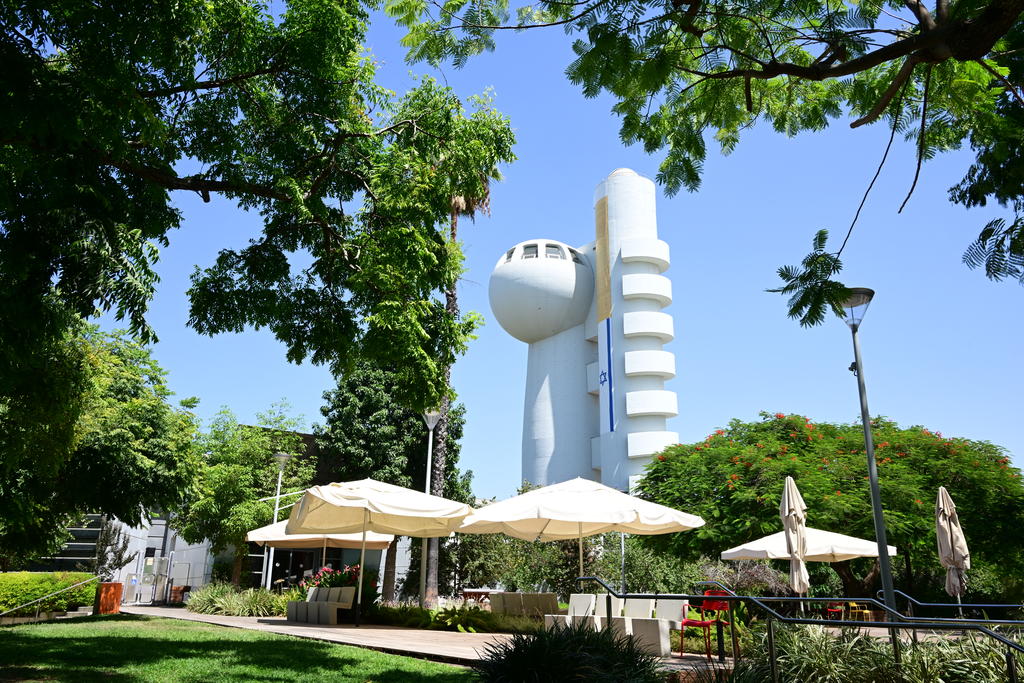
The Weizmann Institute of Science in the Israeli city of Rehovot on Sept. 9, 2023. Photo by Yossi Zeliger/TPS-IL
There is currently no cure for IBD. Treatment focuses on controlling inflammation and preventing flare-ups, primarily through medication and, in some cases, dietary changes. Severe disease can cause complications such as intestinal blockages, ulcers, severe bleeding, malnutrition and weight loss, and may require hospitalization or surgery. Long-term inflammation can also increase the risk of colorectal cancer.
Researchers at the Weizmann Institute of Science found that the gut’s extracellular matrix (ECM) — the network of proteins that surrounds and supports cells — can retain a lasting “memory” of an earlier injury. That memory can then change how intestinal stem cells behave and potentially cause inflammation to return.
Normally, the ECM provides structural support and helps cells communicate, grow, move and repair damaged tissue. In the gut, it helps maintain the structure of the intestinal lining and provides signals that guide stem cells as they replace damaged or worn-out cells. However, an environment altered by inflammation can change intestinal stem-cell behavior, causing them to produce cells that promote inflammation and potentially helping the disease persist or return.
The study, published in the peer-reviewed journal Immunity, challenges the idea that the ECM simply returns to normal after inflammation goes away.
“During acute inflammation, immune cells accumulate in the intestinal lining and secrete protein-cleaving enzymes that break down the extracellular matrix,” said Prof. Irit Sagi, who led the study. “A month after the start of the experiment, all the mice had recovered, but their ECM refused to forget the injury.”
Lasting Effects
The discovery is particularly significant because the intestinal lining is rapidly renewed. Yet in the researchers’ experiments, changes in the ECM remained for more than a year after the initial inflammation had disappeared.
The researchers grew miniature versions of intestinal tissue, called organoids, in the laboratory. When healthy stem cells were exposed to the damaged ECM, they developed into cells that produced inflammatory signals instead of forming normally functioning intestinal tissue.
“Growing stem cells as organoids within a disrupted extracellular matrix was enough to change their fate,” said Dr. Moshe Biton, a co-author of the study.
The researchers identified collagen 18, a protein in the ECM, as an important part of the process. In experiments in mice, blocking collagen 18 prevented the long-lasting ECM changes and protected the animals from developing chronic intestinal inflammation.
The finding could eventually lead to a new approach to treating inflammatory bowel disease. Most current treatments work mainly by suppressing or controlling the immune system. The new research suggests that future treatments could also target the tissue surrounding intestinal cells.
Specifically, the study raises the possibility of treatments aimed at preventing chronic disease after an initial inflammatory episode by stopping the ECM from retaining its “memory” and changing stem-cell behavior.
However, the research is still at an early stage. While the therapeutic effects of targeting collagen 18 were demonstrated in mice, it remains unknown whether the same approach would be safe and effective in humans, the scientists said.
“Now that we understand that changes in the ECM shape the fate of stem cells, and that these processes underlie the inflammatory response, it is clear that existing treatments address the end result rather than the root of the problem,” Biton said.