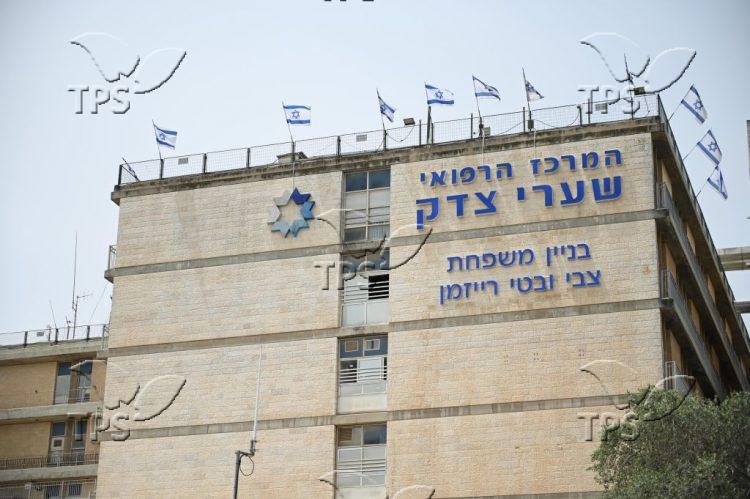
Photo by
Yoav Dudkevich/TPS-IL on 12 May, 2026
Israeli Study Points to New Options for Fasting With Diabetes
Jerusalem, 16 September, 2026 (TPS-IL) -- A new Israeli study suggests that some adolescents and young adults with Type 1 diabetes may be able to go without food and drink for about 25 hours using automated insulin-delivery technology, provided they prepare in advance and receive medical guidance.
The findings offer new insight into how people with Type 1 diabetes can manage prolonged periods without eating or drinking, including during religious fasts and other circumstances in which normal eating patterns are disrupted.
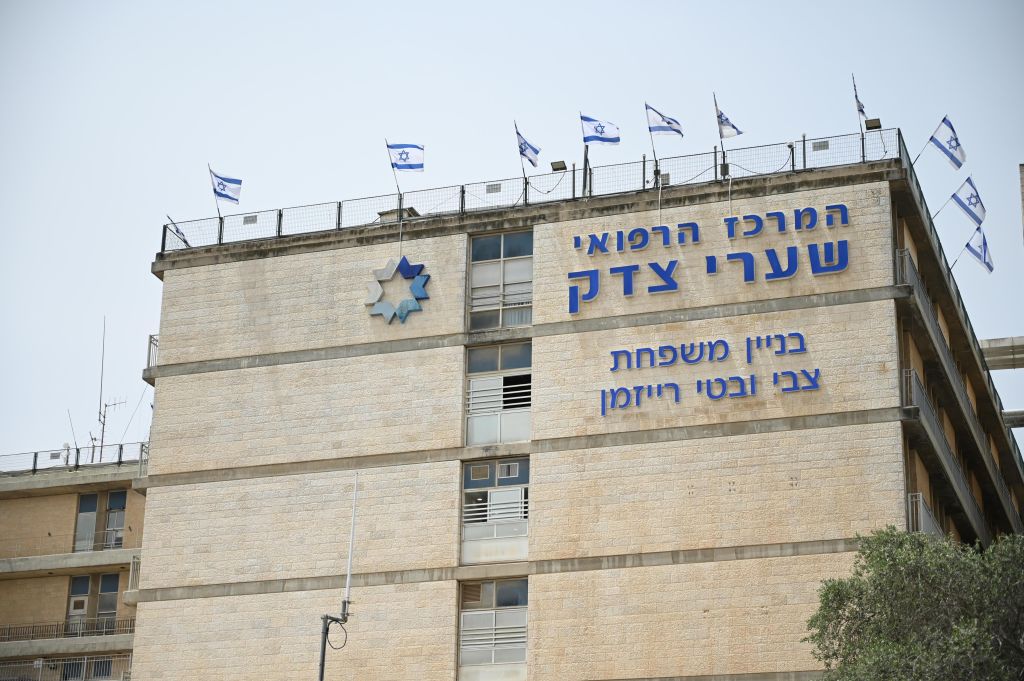
The Shaare Zedek Medical Center in Jerusalem on May 12, 2026. Photo by Yoav Dudkevitch/TPS-IL
Type 1 diabetes is an autoimmune disease in which the body’s immune system destroys insulin-producing cells in the pancreas, leaving people dependent on insulin to survive. According to the International Diabetes Federation, an estimated 9.15 million people worldwide were living with Type 1 diabetes in 2024. The study’s findings do not apply to Type 2 diabetes, which has different causes and treatment needs.
For people with Type 1 diabetes, prolonged fasting can cause dangerously low or high blood-glucose levels. Poorly managed insulin levels can also increase the risk of diabetic ketoacidosis (DKA), a potentially life-threatening condition in which acids called ketones build up in the blood.
The study, conducted by researchers at Shaare Zedek Medical Center and the Jerusalem College of Technology, examined 109 fasts undertaken by 80 people with Type 1 diabetes during Yom Kippur and Tisha B’Av in 2023 and 2024.
Yom Kippur, the holiest day of the Jewish calendar, involves abstaining from food and drink for about 25 hours. Tisha B’Av is another roughly 24-hour Jewish fast commemorating the destruction of the First and Second Temples in Jerusalem.
Managing the Fast
All participants used automated insulin-delivery systems, which combine an insulin pump with a continuous glucose monitor to help regulate blood-glucose levels.
The findings, published in the peer-reviewed Journal of Diabetes Science and Technology, showed that 71.5% of participants completed a fast without significant complications.
“The most important finding of the study is that there were no life-threatening complications among the participants, with no cases of severe hypoglycemia or diabetic ketoacidosis (DKA), the two major complications that raise concerns during prolonged fasting,” said Dr. Eli Heifetz of the Jerusalem College of Technology.
Participants spent 80.7% of the fasting period within their target blood-glucose range, compared with about 72% during the preceding week.
Advance preparation appeared to be particularly important. About 68% of participants adjusted their insulin-pump settings before fasting, either by raising their glucose target or reducing their insulin dose.
Among participants who made adjustments, 84.5% completed the fast, compared with 40% of those who did not. Statistical analysis found that advance pump adjustments were associated with an eightfold increase in the likelihood of completing the fast.
Dr. Floris Levy-Khademi of Shaare Zedek Medical Center said the findings highlight the importance of planning ahead with a medical team.
“The findings indicate that this technology may enable some people with Type 1 diabetes to fast safely, but only with individualized adjustments to their system settings and appropriate medical guidance,” the researchers said.
The researchers stressed that the findings do not mean fasting is safe for everyone with Type 1 diabetes. Participants were relatively young and generally had good blood-sugar control, meaning the results may not apply to people with different medical profiles.
They said decisions about prolonged fasting should be made individually in consultation with a treating physician. For Jewish patients observing religious law, the researchers also recommended consulting an appropriate rabbi.