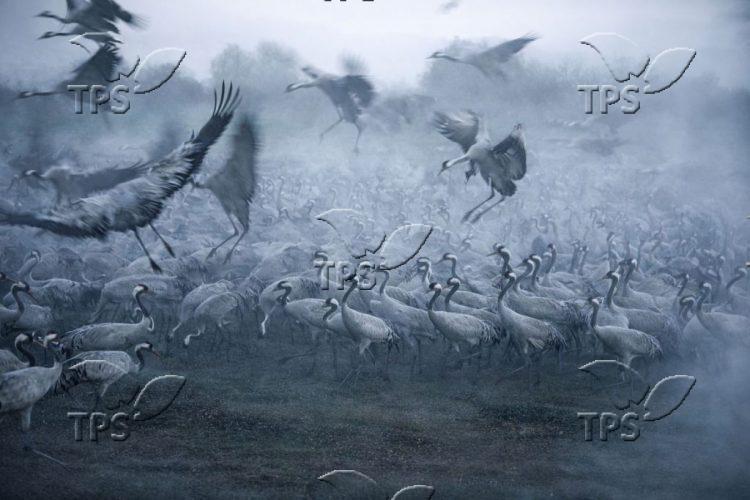
Photo by
Yishai Silver/TPS-IL on 22 January, 2026
Photo Essay: The Hula Valley ‘Bird Paradise’
Jerusalem, 22 January, 2026 (TPS-IL) -- Nestled in the Upper Galilee, the Hula Valley Nature Reserve is one of Israel’s most remarkable wildlife havens. It lies along the Great Rift Valley, a natural north–south corridor that migratory birds follow.
Once a vast swamp and lake, the valley was partially drained in 1951, but has since been restored, preserving its rich wetlands and marshes. Today, it serves as a vital stopover for hundreds of migratory bird species, including cranes, storks, herons, and pelicans, traveling between Europe, Africa and Asia. During peak migration periods, an estimated 500,000 birds pass through Hula’s wetlands and marshes daily. The site is often referred to as “Bird Paradise.”
The Jewish National Fund–Keren Kayemeth LeIsrael (JNF-KKL) played a central role in rehabilitating the Hula Valley and it currently oversees ongoing restoration, conservation and eco-tourism. Today, observation points, floating platforms, and birdwatching towers allow both visitors and researchers to witness migration without disturbing the birds.

Geese fly over the Hula Valley, which traces much of the Jordan River north of the Sea of Galilee. Photo by Yishai Silver/TPS-IL
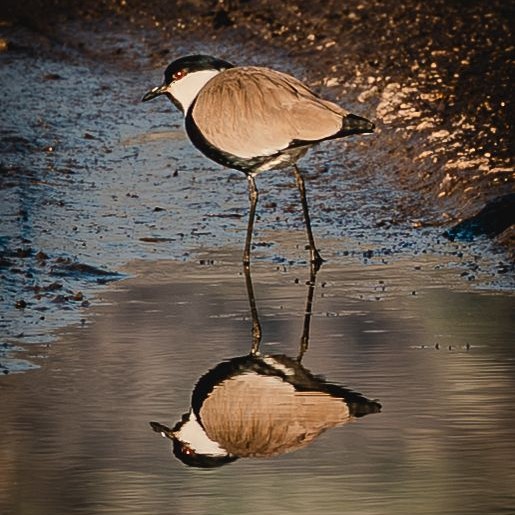
A wading bird enjoys the water. Before modern development, much of the Hula wetlands were drained to create farmland and reduce malaria. Photo by Ariel Tanami/TPS-IL
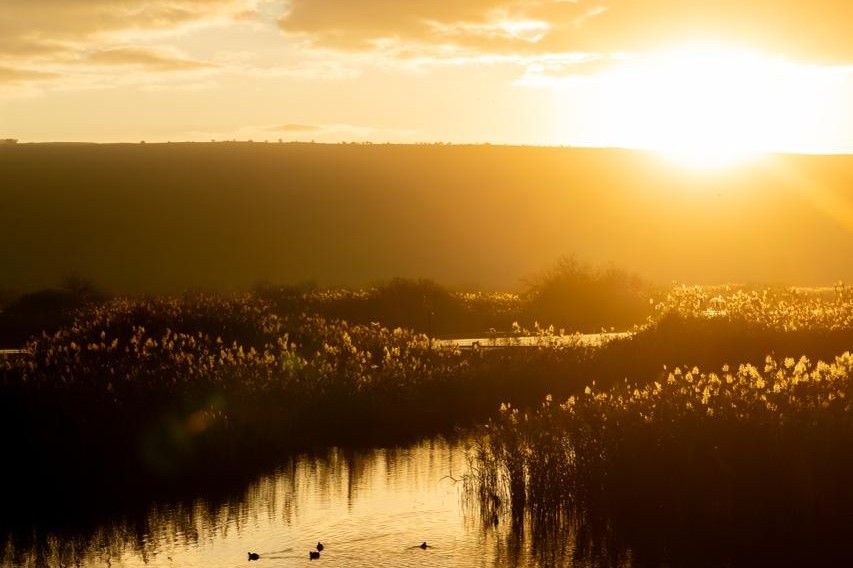
Sunrise over the wetlands. Draining the valley in the 1950s exposed fertile black soil, which boosted agriculture but destroyed much of the natural habitat. Photo by Ariel Tanami/TPS-IL
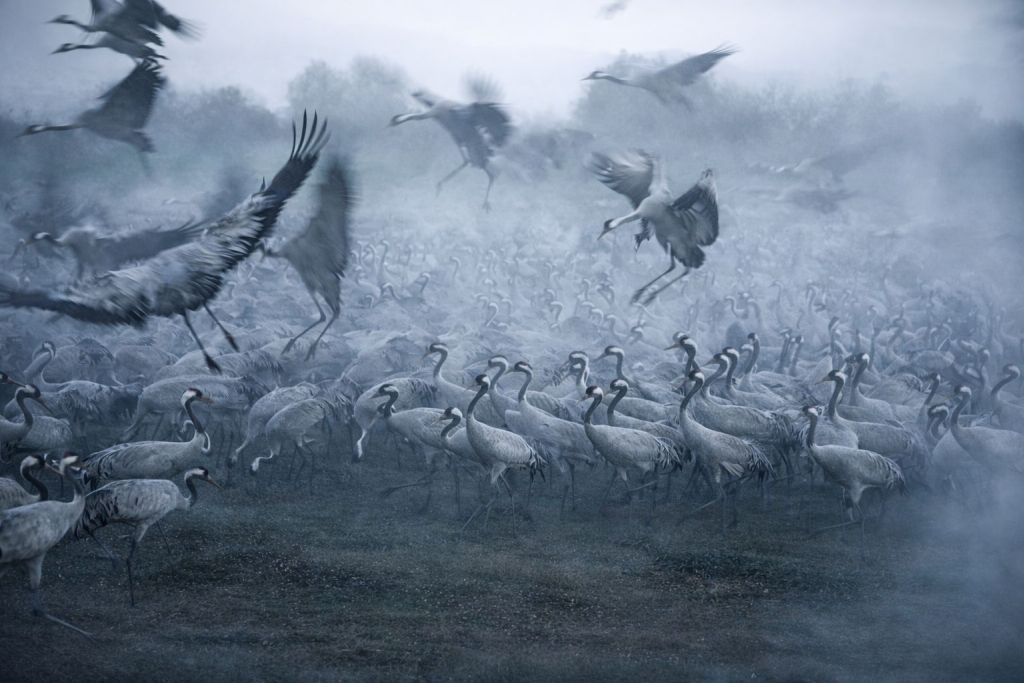
Geese in the Hula dawn. Restoration efforts created the Hula Nature Reserve in 1964, one of Israel’s first protected areas. Photo by Yishai Silver/TPS-IL
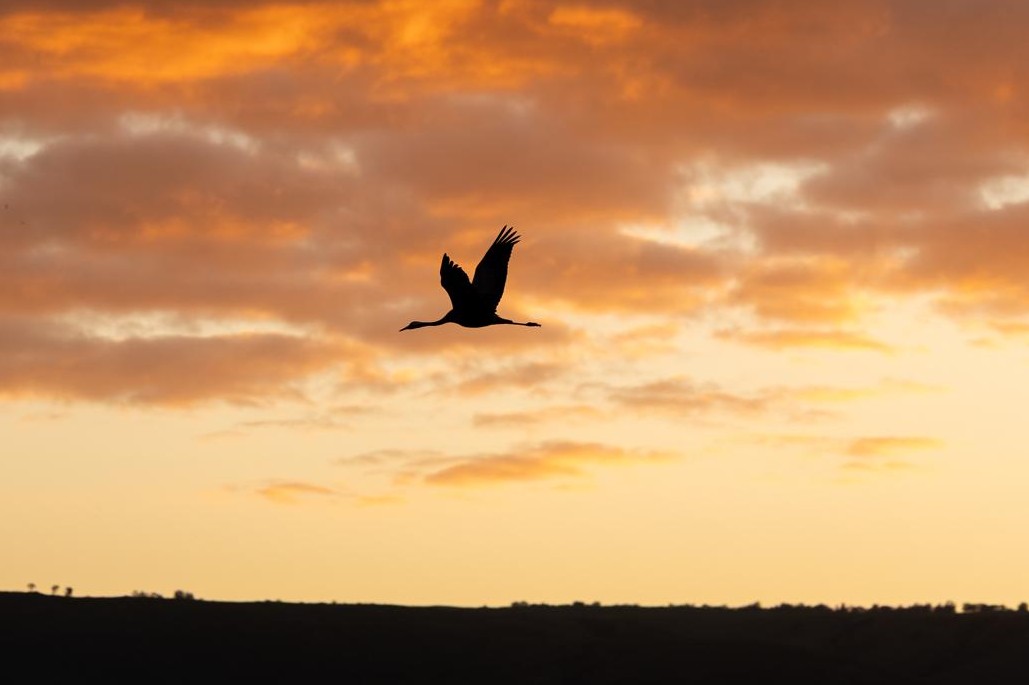
A waterbird soars over the marshes. The valley’s restoration is a model for ecological conservation and wetland rehabilitation worldwide. Photo by Ariel Tanami/TPS-IL
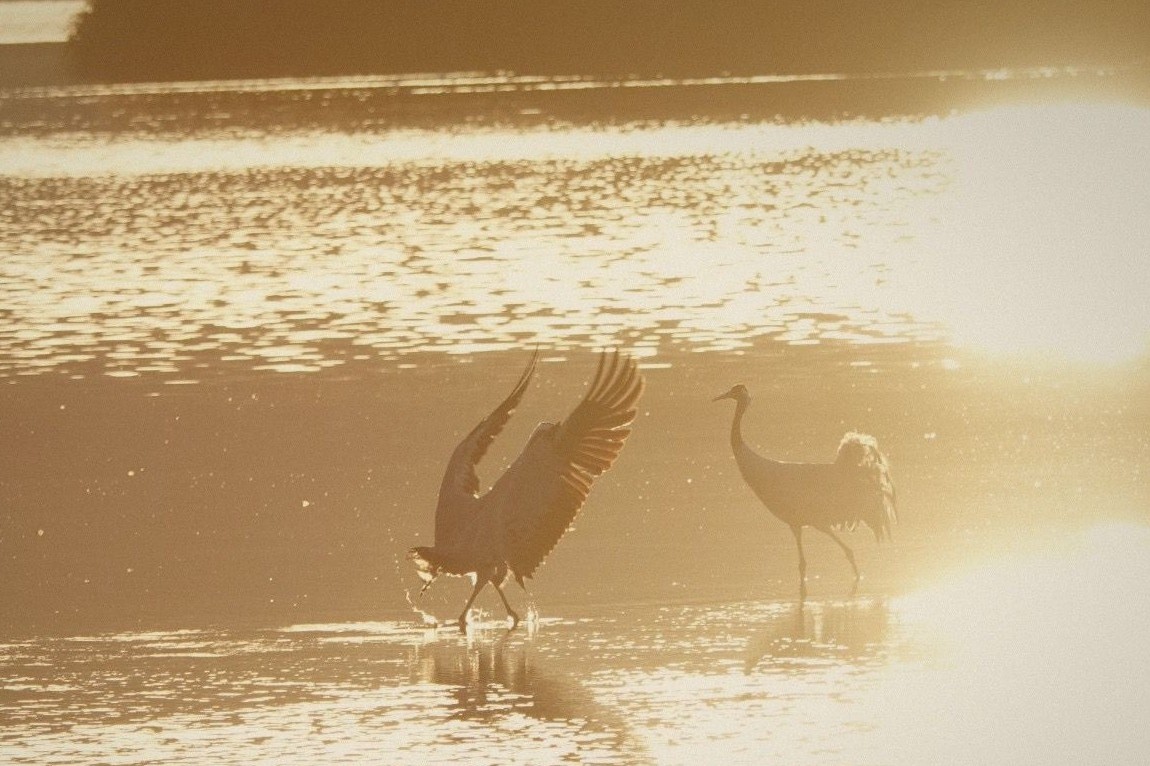
Waterbirds in the morning sun. Agamon Hula, a central lake within the reserve, was created as part of the restoration and serves as a focal point for birdwatching. Photo by Yishai Silver/TPS-IL
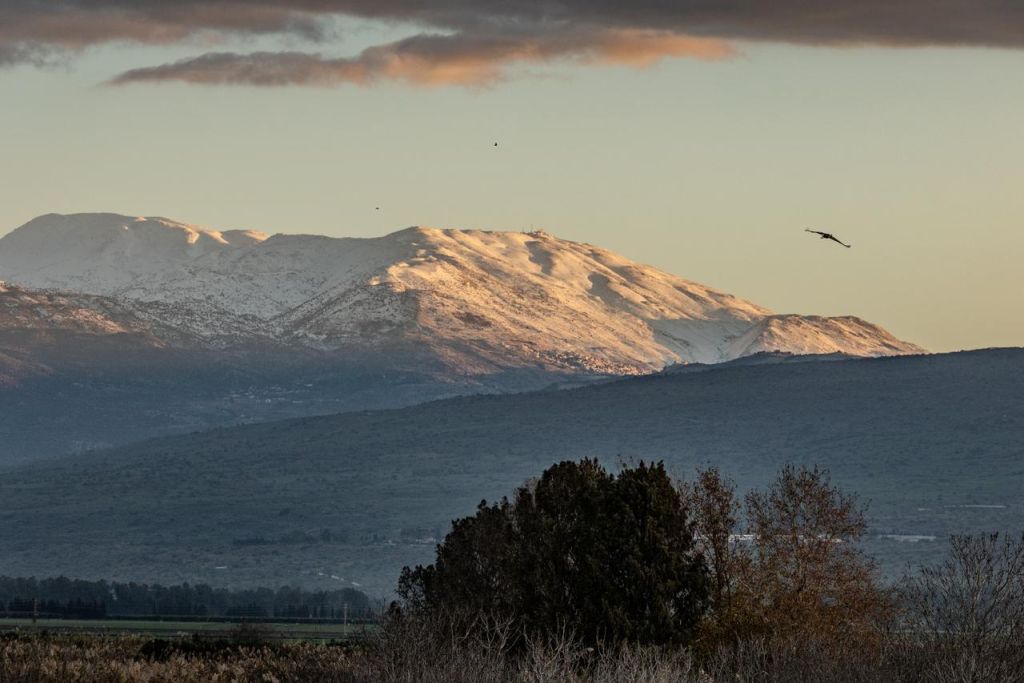
The Golan Heights rise above the valley. The difference in elevation creates unique microclimates that support Hula’s diverse plant and bird life. Photo by Ariel Tanami/TPS-IL