Photo by
Eitan Elhadez-Barak/TPS-IL on 20 March, 2026
‘Even After the Harshest Winter, Life Returns’: Iranian-Israelis Mark Nowruz in Wartime
Jerusalem, 20 March, 2026 (TPS-IL) -- On a cool Thursday night in Jerusalem, the arrival of spring was marked not with unrestrained celebration, but with a quiet, deliberate gathering shaped as much by grief as by hope. Iranian Israelis and their guests came together at the Museum of Islamic Art to welcome Nowruz, the Persian New Year, in the shadow of war.
Around one hour before the guests arrived, sirens wailed across Jerusalem, sending people to shelters. But the celebration started on time.
Nowruz, meaning “new day” in Persian, is an ancient festival marking the first day of spring and the vernal equinox. Celebrated for more than 3,000 years across Iran and much of Central Asia, the holiday symbolizes renewal, rebirth, and the triumph of light over darkness. Families traditionally gather around the Haftsin table, share festive meals, and begin the year with rituals meant to invite health, prosperity, and good fortune.
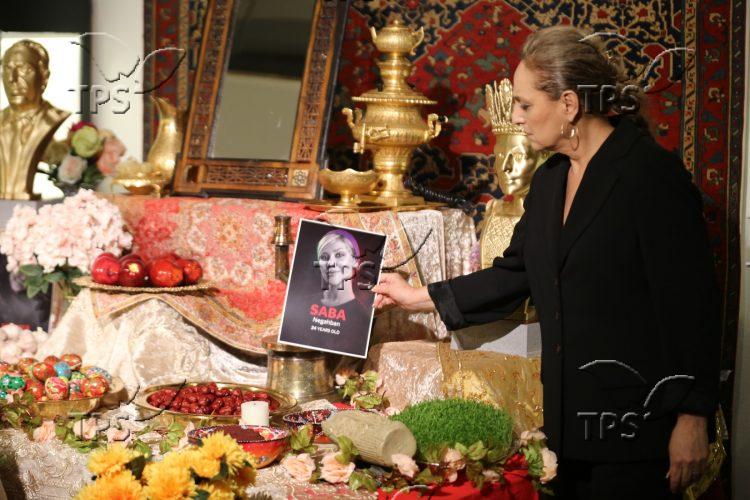
But along with the painted eggs, apples, garlic, sumac, coins, candles — electric as a safety precaution — and carefully grown wheat shoots, tonight’s Haftsin table also carried the weight of repression. Also displayed were photos of Iranians killed by the regime — deliberately chosen for names beginning with the Persian letter S. The addition transformed the display into what some attendees called a Hasht-Sin — an eighth element speaking of remembrance.
“It’s very difficult this year,” said social activist Miki Yitzhaknia, standing near the table. “We are not really celebrating. We are marking, remembering, holding on.” She gestured toward the green sprouts. “Just as this plant grows, we believe Iran will grow again. That it will rise.”
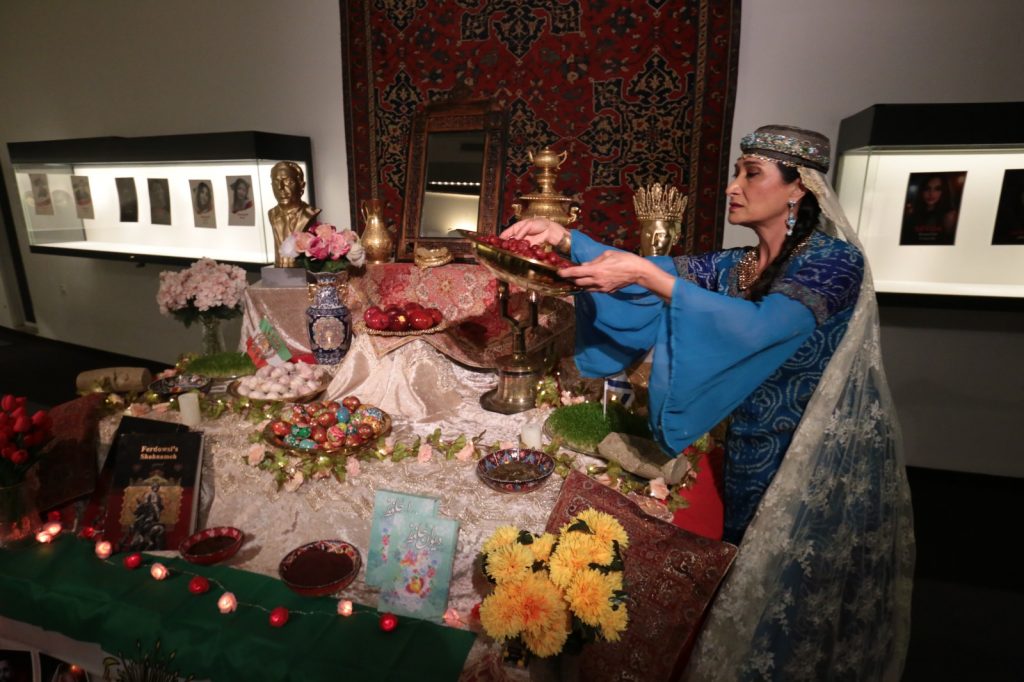
Iranian-Israeli Iris Delshad performs a traditional dance in celebration of Nowruz, the Persian new year, in Jerusalem on March 19, 2026. Photo by Eitan Elhadez-Barak/TPS-IL
The evening drew a mix of Iranian-born Israelis, younger generations raised in Israel, and public figures engaged with Persian-language media. Israel’s Persian community is estimated to be 250,000, though only 50,000 or so actually lived in Iran. Conversations shifted easily between Hebrew and Persian, between personal memory and political reality.
Shirley Shamkhian, a Persian-language army spokesperson, addressed the gathering in both languages. In Persian, she offered a traditional Nowruz greeting while expressing hope for “a spring of freedom, prosperity and peace” for Iranians. But in Hebrew, her tone sharpened.
“The murder, the rape that women and nurses went through in [Iranian] hospitals… It reminds us of what happened to us as a nation on October 7th. That’s why the memories are even more painful,” Shamkhian said.
Yasmin Motada, a Persian-language blogger, spoke directly to Iranians beyond Israel’s borders. She described Iran as a civilization rooted in poetry, philosophy, and resilience.
“Your roots are planted in culture, in numbers and in courage. And no force, no matter how dark, will succeed in achieving this legacy,” she said as heads nodded in agreement. “The historical, cultural and human relations between the Iranians and Israel are genuine and enduring. Years of cooperation and mutual trust… have proven that today’s distances and hostility are the result of the conflict of forces and fear within our societies.”
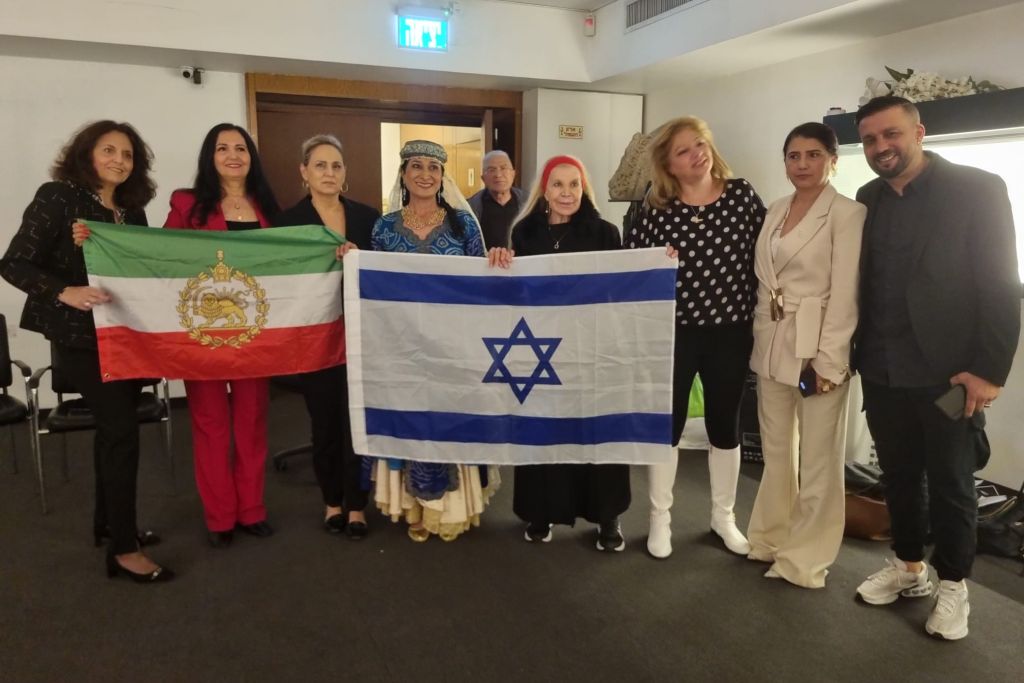
Iranian-Israelis celebrate Nowruz, the Persian new year, in Jerusalem on March 19, 2026. Photo by Eitan Elhadez-Barak/TPS-IL
For Yitzhaknia, Nowruz isn’t just a simple celebration, but an act of defiance.
“Nowruz has never been just a holiday of joy,” she insisted. “It is a holiday of standing, of remembering, of hope even when the heart hurts.”
She spoke of lives cut short in Iran, of voices silenced, and of the difficulty of marking a new year amid such loss. Yet she returned repeatedly to the holiday’s central metaphor: that life renews itself even after the harshest winter.
“Nowruz is nature’s quiet promise that even after the harshest winter — and especially this year — life returns,” Yitzhaknia said. “But this year it is difficult to talk only about blossoming. It is difficult to talk only about renewal. Because as we gather here, remembering and congratulating, there are tens of thousands in Iran who will no longer see another spring.”
While some guests hurried home, others lingered near the Haftsin table. Some talked about the symbolic items and the small busts of Crown Prince Reza Pahlavi and his mother, Empress Farah to younger attendees. Others spoke in hushed tones about relatives still in Iran, or about messages received in recent days.
The electric candles glowed with hope.